Why Birth Month Flowers Hold Unique Symbolic Meanings
Posted on 07/06/2025
Why Birth Month Flowers Hold Unique Symbolic Meanings
Birth month flowers are a globally cherished tradition, bestowing personal meaning and natural beauty on life's milestones. Each flower, linked to an individual month, exudes unique symbolism, offering a thoughtful and deeply personal touch to gifts and celebrations. If you've ever wondered why birth month flowers carry such unique symbolic meanings, you're not alone. This comprehensive article delves into their historical roots, cultural significance, and why these floral emblems have become powerful symbols through the ages.
Understanding the Tradition of Birth Month Flowers
Before exploring the meanings behind each birth flower, it helps to understand the origins of this tradition. The concept of birth flowers can be traced back to ancient civilizations, with their roots buried in the language of flowers, or floriography, which gained significant momentum during the Victorian era.
- Ancient Rome and Greece: These empires celebrated festivals with specific flowers, believing they brought favor and protection.
- Victorian period: Flowers were used to send secret messages, expressing emotions and intentions through complex floral arrangements.
- Modern adaptation: In the 18th and 19th centuries, assigning a specific flower to each birth month became popular, creating a calendar of floral symbolism.
Today, giving someone their birth month flower is seen as a thoughtful, personal gesture, carrying a message beyond the colorful petals.
The Universal Appeal of Birth Month Flowers
The enduring appeal of birth month flowers is twofold. First, they offer a connection to nature and the passage of time, aligning each month with a seasonal bloom. Secondly, they provide a symbolic language, allowing individuals to express complex feelings with simplicity and grace.
Why Symbolism Matters
Throughout history, humans have attached deep meanings to flowers, seeing them as vessels of sentiment, wishes, and even protection. Flowers mark our most significant moments--birth, love, mourning, and celebration. The notion that each month is distinguished by a unique floral emblem only adds to this tradition.
- Personalization: Birth flowers make floral gifts highly personalized and meaningful.
- Storytelling: Each flower tells a story rooted in folklore, legend, and regional tradition.
- Connection: Sharing birth month flowers can foster a sense of identity and connection with others.
The Symbolic Meanings Behind Each Birth Month Flower
Each month's flower holds unique symbolism, stemming from culture, season, and myths. Let's explore the meaning and historical background for each of the twelve birth month flowers.
January: Carnation & Snowdrop
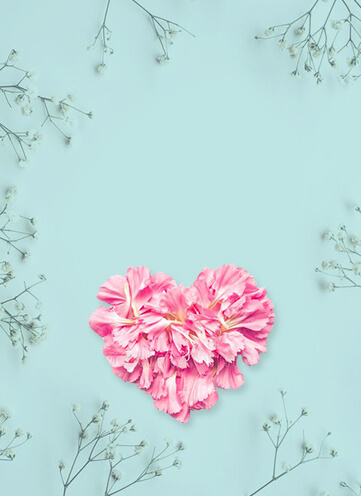
- Carnation: This versatile flower, bloomed in winter, stands for love, fascination, and distinction. Different colors communicate different emotions--red for love, pink for gratitude, and white for pure affection.
- Snowdrop: A symbol of hope and rebirth, emerging through frost as the year begins.
February: Violet & Primrose
- Violet: Associated with modesty, faithfulness, and enduring love, violets bring color to the coldest days.
- Primrose: Represents young love and new beginnings as one of the first signs of spring.
March: Daffodil
- Daffodil: Heralding the arrival of spring, daffodils stand for rebirth, hope, and unrequited love. Their golden color is linked with happiness and prosperity.
April: Daisy & Sweet Pea
- Daisy: A symbol of innocence, purity, and loyal love. Daisies' cheerful appearance reflects the optimism of spring.
- Sweet Pea: Associated with blissful pleasure, goodbyes, and fond memories.
May: Lily of the Valley & Hawthorn
- Lily of the Valley: A delicate yet fragrant bloom, symbolizing humility, sweetness, and a return to happiness.
- Hawthorn: Embodies hope and supreme happiness, often used in May Day celebrations.
June: Rose & Honeysuckle
- Rose: The iconic flower of June, representing love, passion, and honor in its various hues.
- Honeysuckle: Signifies devoted affection and the bonds of love.
July: Larkspur & Water Lily
- Larkspur: Denotes positivity, dignity, and a lightness of spirit.
- Water Lily: Emblematic of purity, enlightenment, and peace.
August: Gladiolus & Poppy
- Gladiolus: Stands for strength, integrity, and infatuation, with its tall, striking stems.
- Poppy: Represents remembrance, consolation, and imagination.
September: Aster & Morning Glory
- Aster: Named after the Greek word for 'star,' aster symbolizes wisdom, faith, and valor.
- Morning Glory: Signifies affection and the fleeting nature of love.
October: Marigold & Cosmos
- Marigold: With vibrant hues, it is associated with creativity, warmth, and a strong spirit.
- Cosmos: Denotes harmony and tranquility.
November: Chrysanthemum
- Chrysanthemum: Universally linked with loyalty, joy, and longevity, this bloom shines when most others fade.
December: Narcissus & Holly
- Narcissus: Represents hope, wealth, and rebirth, blooming in spite of winter's chill.
- Holly: An evergreen symbol of defense, protection, and good fortune.
How Birth Month Flower Meanings Are Chosen
The selection of monthly birth flowers does not rest solely on availability. They are chosen for their cultural resonance, seasonal presence, and mythological connections to the time of year. Ancient societies often attributed flowers to deities or seasonal changes, further influencing the symbolism over generations.
- Seasonality: Flowers that thrive or bloom during certain months are naturally associated with those times.
- Folklore and Mythology: Myths often ascribe particular virtues or powers to specific blooms, which get passed on as traditional meaning.
- Linguistic Influence: The "language of flowers" codifies the meaning of each flower, giving them a place in literature and art.
These influences create a rich tapestry of meanings, making each birth flower more than just a seasonal plant, but a symbol of character, destiny, and hope.
The Emotional Power of Personalized Symbolism
The act of giving or displaying a birth month flower goes far beyond decorative value. It is a deeply personal gesture, infusing the ordinary with heartfelt meaning. Whether it's a birthday, anniversary, or moment of remembrance, birth flowers add an extra layer of sentiment.
- Memorials: People often choose birth month flowers at funerals or remembrance events to honor loved ones.
- Celebrations: Gifting a bouquet centered on someone's birth flower creates a unique connection to their identity.
- Jewelry and Keepsakes: Enamel pins, necklaces, and artwork featuring birth month flowers make for treasured, meaningful gifts.
The symbolic meaning woven into these blooms allows us to communicate on a subtle, emotional level, offering comfort, joy, and personal affirmation.
Birth Month Flowers Across Cultures
While the tradition is especially popular in Western cultures, variations exist across the globe. For example, in Japan, Hanakotoba (the Japanese language of flowers) assigns different meanings, and in Eastern European countries, flower traditions are linked to saints' days or local folklore.
This diversity further enriches the symbolism of birth flowers, reinforcing their role as timeless emblems of both the individual and the community.
Eastern vs. Western Birth Flower Traditions
- Western traditions: Often follow the Roman calendar and assign flowers based on seasonal bloom and Victorian floriography.
- Eastern traditions: May connect flowers with zodiac signs, deities, or certain virtues relevant to regional beliefs.
Understanding these cultural nuances allows us to appreciate the depth behind birth month flower meanings, further enhancing their significance in a global context.
Choosing & Gifting Birth Month Flowers
With such rich and varied meaning, selecting a birth flower as a gift is an act of thoughtfulness. But how do you choose the right arrangement?
- Select seasonally appropriate blooms: Fresh flowers are more vibrant and symbolic when gifted in their natural season.
- Combine meanings: You can mix a person's birth flower with those of important loved ones or with other blooms to deepen symbolism.
- Consider color and variety: Each hue within a birth flower may add an extra nuance--red roses for romance, white for purity, and so on.
Whether fresh, dried, or immortalized in jewelry or art, birth flowers create lasting impressions for every occasion.
Incorporating Birth Month Flowers Into Daily Life
Birth month flower symbolism doesn't have to be reserved only for special occasions. Many people use them in everyday rituals and environments:
- Home decor: Arrangements featuring your family's birth flowers can make home spaces more personal and connected.
- Gardening: Planting your own or loved ones' birth month flowers is a meaningful way to honor identity and tradition throughout the year.
- Mindfulness & Meditation: Meditating with your birth flower near or reflecting on its meaning can enhance personal growth and self-understanding.
Conclusion: The Enduring Meaning of Birth Month Flowers
From their roots in ancient rituals to today's personalized gifting culture, birth month flowers beautifully embody the intersection of nature, tradition, and personal meaning. Their unique symbolic meaning is more than just a charming tradition; it is a language of connection, storytelling, and self-expression. Whether you're looking to choose the perfect gift, honor a milestone, or simply discover your own floral emblem, the world of birth flower symbolism offers a timeless way to celebrate individuality and the cycles of life.
Explore your birth month flower and share its unique symbolism-- you might just discover an unexpected connection to history, nature, and yourself.